

An Multi-Site Glance at Shopper Feedback: The Righteous Review Roundup
Trying out a brand you haven’t bought before ultimately hinges on trust, and, in turn, trust is formed from what previous customers say once the order lands. We Are Righteous has grown steadily as a player in streetwear-inspired clothing, and with that growth comes a dispersed set of reviews across marketplaces, social platforms, and independent forums. Stitching that feedback into one view gives a clearer picture than one lone five-star rating ever could. This piece surveys what buyers genuinely think about Righteous clothing, where positive feedback tends to gather, where dissatisfaction tends to appear, and what consistencies reveal themselves once you weigh one source against another. The goal isn’t to inflate or deflate the brand’s reputation but to give shoppers a balanced, well-rounded perspective before they hit checkout.
Feedback is seldom consistent from one account to the next. Someone posting on one marketplace might sing the praises of the fit of a Righteous hoodie while another, on another platform, focuses entirely on shipping speed or customer service response time. That variation is normal, but it’s also instructive — it shows which aspects of the brand are dependably good and which ones shift depending on the buyer’s expectations or region. This article organizes the commentary into groups: item quality, fit accuracy, customer service, and delivery experience, then weighs how each platform’s community generally emphasizes these factors.
Why a Single Score Isn’t Enough: Making the Case for Cross-Platform Reviews
One lone score from a single platform can be deceiving. Ten reviews averaging 4.8 stars looks impressive until you realize the sample size is small, or that those comments were posted within days of launch before there was any real evidence of how the product held up over time. Comparing notes from multiple platforms — such as dedicated review aggregators, social commerce comments, and community forums — reduces righteous hoodie the risk of relying on an unrepresentative sample. It also makes clear whether complaints are one-off occurrences or recurring patterns tied to particular items.
This is especially true for a brand like We Are Righteous, which sells across several channels. Buyers going through a marketplace may have varying policies and service standards than those who buy directly. A we are righteous review submitted through another seller’s site might reflect issues with that platform’s fulfillment process rather than the brand itself. Telling apart platform issues from actual product concerns is one of the more useful things a shopper can do before making a purchase decision in 2026, when so many brands run simultaneously on five or six sales channels simultaneously.
We should also mention a time-related dimension to this. There’s a time-based angle as well: first-month feedback tend to spotlight unboxing moments and initial impressions, whereas later feedback drills into staying power — how the stitching wears, fabric pill resistance, and whether the graphic starts to crack after several wash cycles. A well-rounded summary accounts for both kinds of feedback, because a righteous review posted the week of release tells you something different than one posted once a full season has passed.
Customer Opinions on Product Quality
Across the platforms surveyed for this roundup, product quality is the category with the highest and steadiest levels of praise. Customers often point to the weight and feel of the fabric, especially with heftier items such as the Righteous hoodie line, calling the fabric solid and dense instead of flimsy or sheer — a common complaint leveled at cheaper competing streetwear brands. Comments about stitching durability after multiple wash cycles also skew positive, with multiple buyers reporting they’d worn a piece 15 to 20 times without any obvious fraying at the seams.
Color retention is yet another pattern that keeps coming up. Several customers specifically called out that printed designs stayed sharp and vivid after being run through the wash, which matters for a brand whose visual identity leans on strong lettering and prominent logos. Still, not every write-up sings praises. A smaller percentage of buyers — clustered mostly on one social commerce platform — noted small sizing discrepancies from batch to batch, suggesting some production runs may vary slightly from others. That point deserves attention instead of being brushed aside, since it affects how confidently a repeat buyer can order the same size twice.
On the whole, when you aggregate the descriptive reviews, the overall tone around Righteous apparel construction sits clearly in positive territory, with build-quality issues representing the exception rather than the rule. Such a distinction matters for anyone comparing this brand against others in a crowded apparel market.
Sizing, Fit, and the Most Common Points of Confusion
Fit is the point of greatest disagreement among reviews. Some shoppers say the cut matches standard size charts closely, while others recommend sizing up for a looser, more streetwear-inspired fit. That’s not automatically a downside — a lot of streetwear brands purposely go for a roomier cut — but it does mean first-time buyers should read multiple reviews rather than relying on a single data point before settling on a size.
Buyers who chose a larger size particularly with the hoodie line tended to report greater happiness with the hang and length of the sleeves, while those who ordered their regular size sometimes found the fit snugger than expected, especially through the shoulder area.
This trend appears across more than one platform, indicating that this reflects a real trait of the design rather than an isolated batch issue.
Body type and height likewise play a major role in these observations, with customers who are taller generally reporting a more balanced fit than shorter customers, who sometimes mention excess length in the garment’s body and sleeve area.
The takeaway for shoppers browsing a we are righteous review before buying: pay attention to the reviewer’s stated size choice and body type, not just their star rating. A five-star review from someone who sized up means less if you’re planning to order true-to-size, and vice versa.
Customer Service and Time to Respond
Feedback on customer support are more variable depending on the channel than any other segment in this comparison. Shoppers who got in touch straight through the brand’s own channels report on the whole speedier fixes relative to those who handled things via third-party resellers. Hinging on whether the problem is simple or involved — as an example, an exchange for sizing as opposed to a claim over a damaged item — reply speeds cited in feedback run from acknowledgment within the day to a handful of days for complete resolution.
At high-volume moments like seasonal drops or holiday sales, response queues understandably lengthen, and this is where most complaints in this category tend to center. Meanwhile, those praising the brand commonly commend how straightforward and solution-oriented support staff tend to be, particularly when handling exchanges for the sizing inconsistencies mentioned earlier. In other words, the care staff generally respond well once contacted, while surges in demand cause brief hiccups — a trend seen broadly in DTC clothing companies rather than a shortcoming exclusive to this brand.
Across a large-scale sale, buyers who are mindful of after-sale service should keep in mind that any support ticket may move a touch more slowly than it would in a quieter sales period—so when you order should be considered.
Looking At the Fulfillment Experience Spanning Different Retail Outlets
Delivery feedback fluctuates more by purchase route than by season, which is a handy thing to keep in mind if you’re trying to decide where to buy.
Reviews left on marketplace listings sometimes are shaped by the logistics providers the marketplace uses rather than anything the brand controls directly, and this becomes obvious when you compare shipping remarks side by side.
A number of customers who bought straight from the brand noted custom packaging and printed inserts that reinforced the impression of buying from an established label rather than a reseller setup, reporting overall a more consistent packaging experience.
Delivery timeframes referenced across reviews stretch from a few business days for domestic orders to more drawn-out windows for overseas shipments, which aligns with typical apparel industry norms. A small number of write-ups flag slowdowns during peak shopping periods, which is not unexpected given how order volume surges industry-wide around major sales events. The standout detail is that hardly any reviews mention packages that went missing or astray — a favorable indicator for a brand whose shipping track record could in another scenario be a weak point.
Channel-by-Channel Breakdown
To put some detail behind the comparison, here’s how overall tone breaks down across the key categories reviewers discuss, based on the pooled observations outlined above.
| Theme | Direct-to-Consumer Channel | Third-Party Marketplace Pages | Social Shopping Platforms |
|---|---|---|---|
| Build Quality | Steadily strong | Largely favorable | Positive, some batch variance noted |
| True-to-Size Reliability | Mostly dependable | Uneven, sizing up is often suggested | Mixed, fit varies by body type |
| Support Experience | Quick and resolution-focused | Slower, third-party dependent | Inconsistent, but better with direct outreach |
| Fulfillment Experience | Consistent, arriving in branded packaging | Dependent on marketplace logistics | Generally on schedule |
The Takeaway for Buyers Sizing Up the Righteous Clothing Brand
Taken as a whole, the picture that emerges is a brand with solidly impressive core products, some expected fit-related variability, and a support experience that performs best when customers deal directly with the brand. That’s a pretty standard profile for a expanding apparel label in 2026, when most brands are balancing multiple sales channels and the review landscape that follows from that.
If you’re trying to decide on a purchase and weighing which channel to buy through, the data here suggests ordering directly when possible, especially if a smooth support experience and steady packaging are priorities for you. If a marketplace is your route, read current reviews tied to that particular listing rather than assuming they reflect the brand’s own channel. As for sizing, cross-check a couple of reviews from buyers with a comparable body type to your own before deciding whether to order true-to-size or size up.
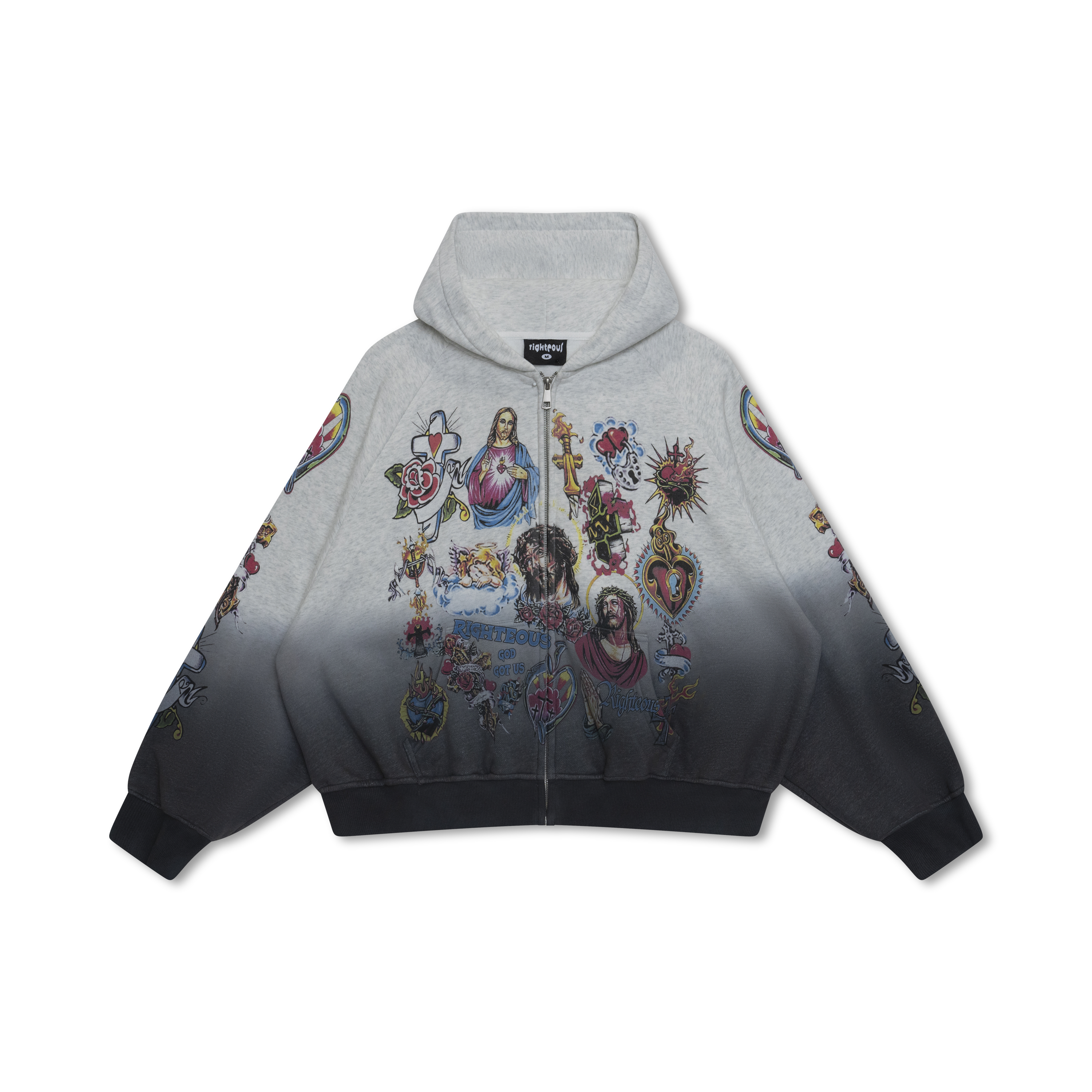
Ultimately, the range of reviews across platforms tells a consistent narrative rather than a mixed-up one: dependable materials, a sizing pattern worth studying before you buy, and support that’s strongest closest to the source. This is helpful guidance for anyone figuring out whether We Are Righteous deserves a spot in their next order.

Leave a Reply